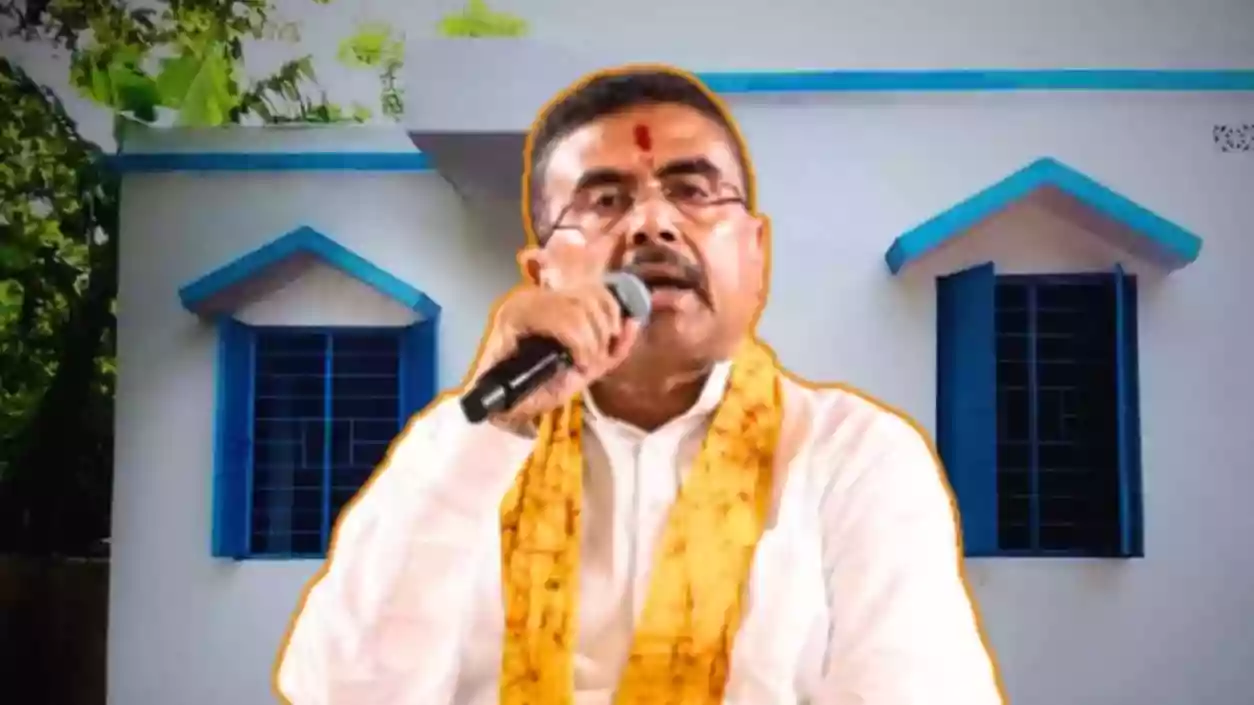
KMC elections by Dec 7, hints CM Suvendu; announces 1100 crores fund for corporation
.gif)

Download Mobile App 






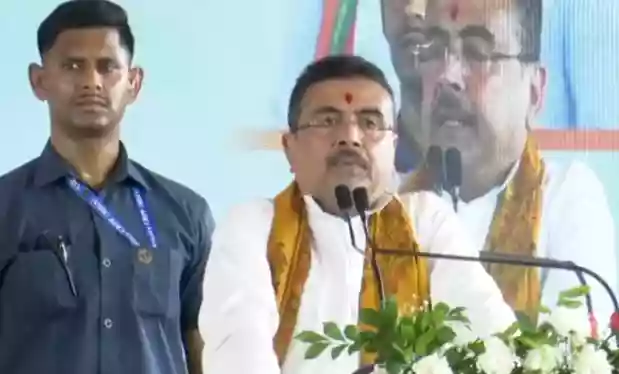
The administrative landscape of the Kolkata Municipal Corporation (KMC) has undergone a major transition following the official resignation of Mayor Firhad Hakim. West Bengal Chief Minister Suvendu Adhikari revealed that the state government initially granted a strict three-day grace period to the majority Trinamool Congress (TMC) party to formally nominate and appoint a successor to the mayoral post. Due to the TMC's institutional failure to designate a new candidate within the mandated timeframe, the state administration stepped in to avoid a governance vacuum, appointing senior bureaucrat Smita Pandey to take absolute charge of the municipal corporation as its primary administrator until regular democratic processes resume.
Looking ahead to restore an elected board, Chief Minister Adhikari announced that the highly anticipated municipal elections will be successfully executed within the next six months. However, the upcoming civic polls will feature a massive structural overhaul, as the Chief Minister confirmed that a comprehensive delimitation and ward realignment process will be fully completed before voters head to the booths. Kolkata is currently divided into 144 municipal wards, and while Adhikari refrained from detailing the exact mechanical metrics behind the boundary modifications during his press briefing, he clarified that the state government will draft an official proposal for the State Election Commission to review and finalize.
This regional push for electoral boundary realignment draws parallel notes to recent national legislative movements. The central government led by Prime Minister Narendra Modi introduced a dedicated Delimitation Bill just a few months prior, aimed at restructuring parliamentary constituencies. However, the broader 131st Constitutional Amendment Bill, which sought to structurally interlock the expansion of Lok Sabha seats with a historic reservation quota for women lawmakers, ultimately failed to clear its legislative hurdles and could not be successfully passed through the lower house of Parliament.
Alongside these major structural transitions, the Chief Minister unveiled a massive financial revival package to stabilize and upgrade Kolkata's municipal infrastructure. Adhikari assured a direct state allocation of ₹600 crore specifically earmarked for critical urban development projects. Furthermore, the KMC is set to receive an additional ₹500 crore distributed under a 60-40 fiscal sharing formula via the central AMRUT Yojana scheme. The state capital will also benefit from an extra ₹500 crore injection dedicated entirely to the ongoing 'Namami Gange' environmental cleanup project, complemented by enhanced fiscal support under the Swachh Bharat cleanliness initiative.



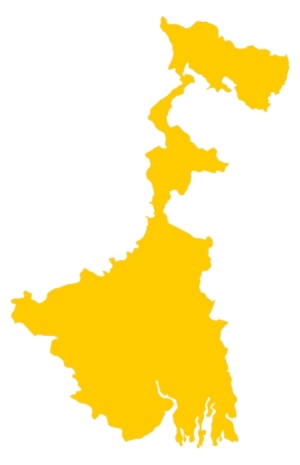 West Bengal
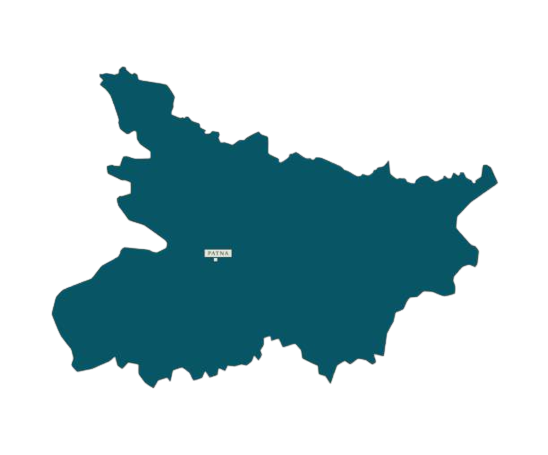 Bihar
Bihar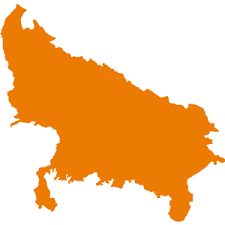 Uttar Pradesh
 Jharkhand